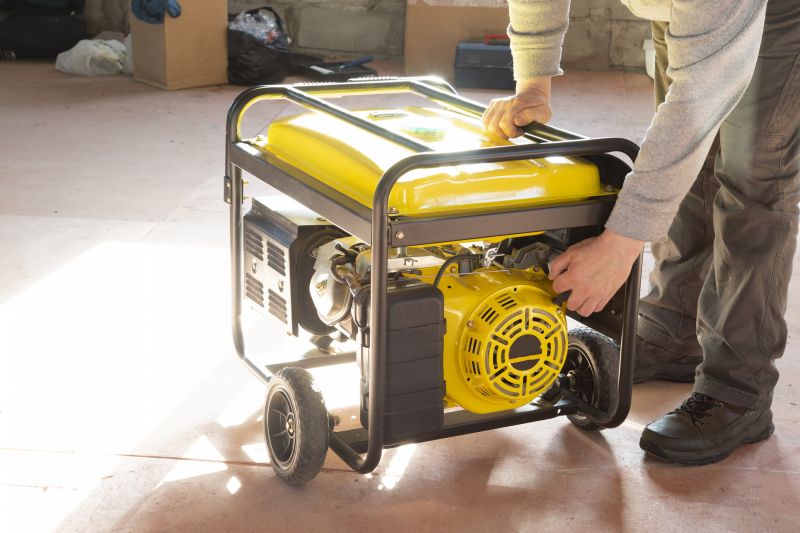
Generator Leak Repair in Utah County, UT
Generator leak repair services focus on identifying and fixing leaks in standby or portable generators. These projects typically involve inspecting fuel lines, seals, gaskets, and other components that may develop leaks over time. Property owners often seek this service when noticing fuel odors, visible drips, or concerns about fuel loss that can affect generator performance or safety. Understanding the location of the leak, the type of generator, and the extent of damage are common questions before requesting repairs, ensuring proper diagnosis and effective solutions.
Proper generator leak repair aims to restore safe and efficient operation by addressing issues such as cracked hoses, worn seals, or faulty fittings. Homeowners should be aware that repairs may involve replacing damaged parts or resealing connections to prevent future leaks. Clarifying the scope of work, the materials used, and the potential need for ongoing maintenance can help property owners make informed decisions about maintaining their generator systems and ensuring reliable backup power.
Many property owners in Utah County, UT look into Generator Leak Repair for repairs, replacements, upgrades, and appearance-related improvements.
Generator Leak Identification
Detecting leaks early helps prevent costly damage and ensures reliable generator operation.
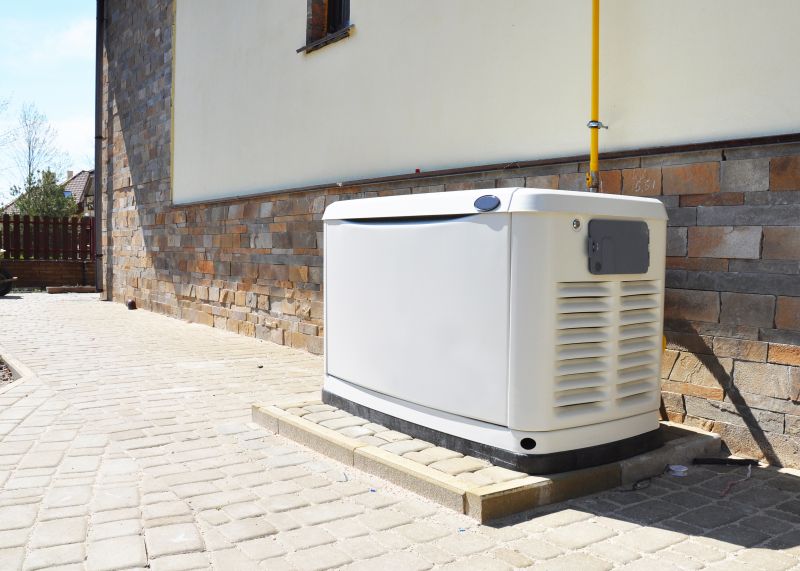
Common Causes Of Generator Leaks
Leaks may result from worn seals, corrosion, or improper installation in residential and commercial systems.
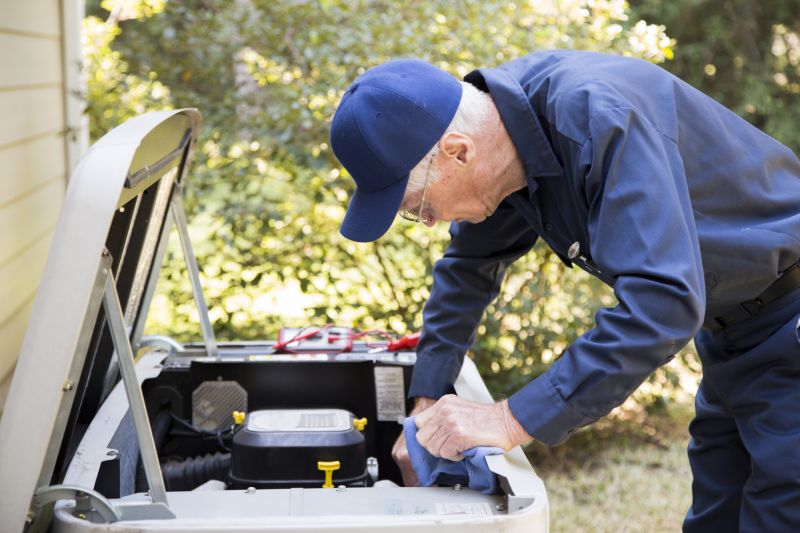
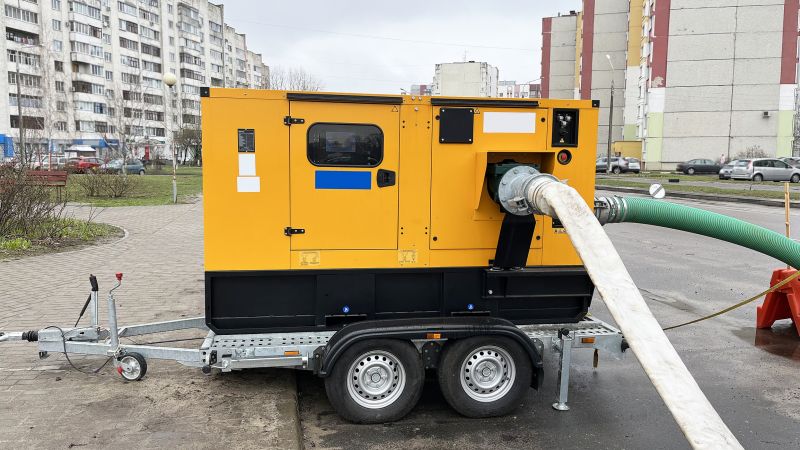
Repair And Maintenance Solutions
Professional repairs restore safety and efficiency for generators across utah county and nearby areas.
Generator Leak Repair in Utah County, UT
Generator leak repair services focus on identifying and fixing leaks in standby or portable generators. These projects typically involve inspecting fuel lines, seals, gaskets, and other components that may develop leaks over time. Property owners often seek this service when noticing fuel odors, visible drips, or concerns about fuel loss that can affect generator performance or safety. Understanding the location of the leak, the type of generator, and the extent of damage are common questions before requesting repairs, ensuring proper diagnosis and effective solutions.
Proper generator leak repair aims to restore safe and efficient operation by addressing issues such as cracked hoses, worn seals, or faulty fittings. Homeowners should be aware that repairs may involve replacing damaged parts or resealing connections to prevent future leaks. Clarifying the scope of work, the materials used, and the potential need for ongoing maintenance can help property owners make informed decisions about maintaining their generator systems and ensuring reliable backup power.
Many property owners in Utah County, UT look into Generator Leak Repair for repairs, replacements, upgrades, and appearance-related improvements.
Common Generator Leak Repair Jobs
Generator Leak Repair - Fixes leaks to prevent damage and ensure safe operation.
Leak detection services - Identifies the source of leaks in generator systems.
Corrosion repair - Addresses rust and corrosion that can cause leaks over time.
Pipe and fitting replacement - Replaces damaged or worn components to stop leaks.
Sealing and waterproofing - Applies protective barriers to prevent future leaks.
System inspection - Checks for potential issues to maintain generator reliability.
Generator Leak Repair Questions
What causes generator leaks? Leaks can result from worn seals, damaged hoses, or corrosion within the generator system.
How can I tell if my generator has a leak? Signs include puddles beneath the generator, decreased performance, or visible fluid around components.
Is leak repair necessary for generator safety? Yes, addressing leaks helps prevent further damage and ensures the generator operates safely and efficiently.
What types of leaks are commonly repaired? Common repairs involve fixing oil leaks, coolant leaks, or fuel line drips in generator systems.
Request Generator Leak Repair in Utah County, UT
Use the quote form on this page to share the basics of your project and request more information for the type of work you need.