Get Home Generator Installation
Home generator installation services help property owners ensure reliable backup power during outages by connecting with local contractors experienced in installing standby generators.
Home generator installation services provide a reliable solution for property owners seeking continuous power during outages or emergencies. If you are considering ways to enhance your home's resilience and ensure essential appliances and systems remain operational, exploring local contractor options can help you find the right fit for your needs. Planning a generator project involves understanding different options and comparing local providers who specialize in this work, making it easier to identify solutions tailored to your property.
By exploring your options for home generator installation, you can gain insights into the services available in your area and make informed decisions about your property's power needs. Connecting with experienced local service providers can support you in planning and executing a project that aligns with your goals. Keep reading to learn more about how local contractors can assist with your generator installation and what factors to consider as you move forward.
- Whole-house generator installation - when homeowners want reliable backup power for all appliances and systems during outages.
- Portable generator setup - when individuals need temporary or supplementary power sources for outdoor events or remote work sites.
- Generator transfer switch installation - when residents seek a seamless way to switch between utility power and a backup generator.
- Emergency power system upgrades - when existing generators require modernization to meet increased energy demands or code standards.
- Generator maintenance and repair - when property owners experience issues with their current backup power systems or need routine servicing.
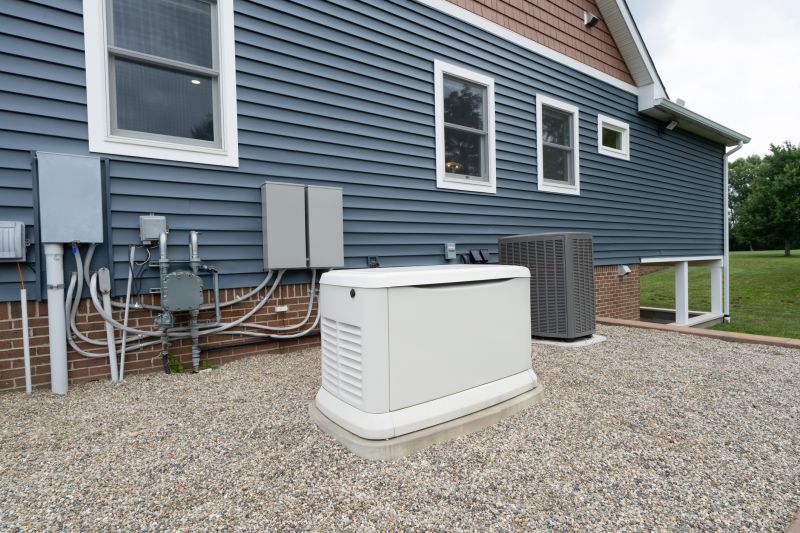
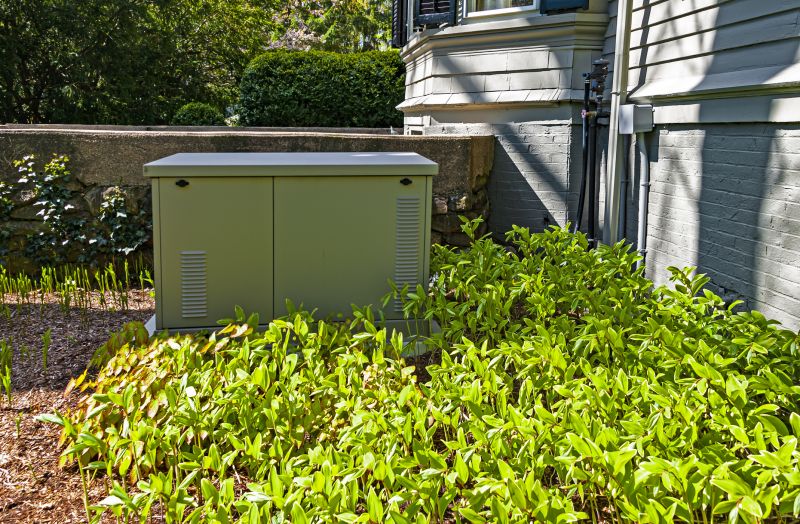
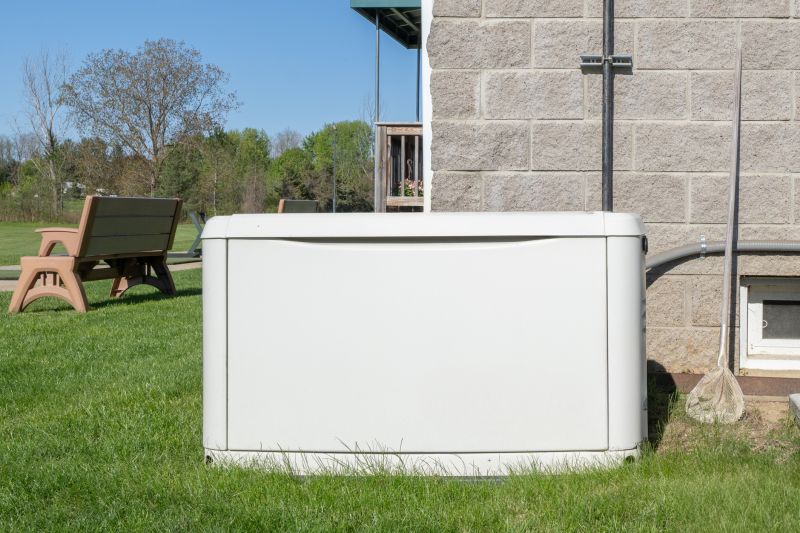
Home generator installation services involve setting up backup power systems that can automatically activate during an outage. These systems typically consist of a generator unit connected to a property’s electrical system, providing electricity when the main power supply is interrupted. The installation process includes assessing the property’s power needs, selecting the appropriate generator size, and ensuring proper placement and connection to ensure reliable operation. Skilled service providers handle all aspects of the installation to ensure the system functions safely and efficiently, giving homeowners peace of mind during unexpected outages.
This service helps address common problems associated with power interruptions, such as spoiled food, disrupted heating or cooling, and inability to operate essential appliances. During storms, utility failures, or other emergencies, a home generator can keep lights on, maintain security systems, and power medical devices. Installing a backup generator can also minimize the inconvenience and potential hazards caused by prolonged power outages, especially for households that rely on electricity for health-related equipment or work-from-home needs.
Home generator installation is typically sought by homeowners with certain property types or living situations. It is especially common for houses in areas prone to severe weather events, remote properties with limited grid access, or homes that require continuous power for medical devices. Larger properties, multi-family dwellings, or homes with extensive electrical systems may also benefit from professionally installed generators to ensure all critical circuits remain operational during outages. Service providers can help determine the best system size and type based on the specific needs of each property.
When considering home generator installation, it’s important to evaluate the property’s layout, electrical demands, and potential outage scenarios. Local contractors are equipped to handle installations for a variety of property types, including single-family homes, vacation cabins, and small apartment buildings. They can recommend the most suitable generator options, handle the technical aspects of installation, and ensure the system integrates seamlessly with existing electrical setups. This service provides a practical solution for homeowners seeking reliable backup power tailored to their property’s unique requirements.
The overview below groups typical Home Generator Installation projects into broad ranges so you can see how smaller, mid-sized, and larger jobs often compare in your area.
In many markets, a large share of routine jobs stays in the lower and middle ranges, while only a smaller percentage of projects moves into the highest bands when the work is more complex or site conditions are harder than average.
Smaller Repairs - For minor generator repairs or upgrades, local contractors typically charge between $250 and $600. Many routine fixes fall within this range, though costs can vary based on the specific issue and parts needed.
Basic Installation - Installing a standard home generator usually costs between $2,000 and $4,000. Most projects in this category are straightforward and fall within this middle range, with fewer jobs reaching higher prices for added features or complexity.
Full System Replacement - Replacing an existing generator with a new model can range from $5,000 to $10,000 or more. Larger, more complex installations or upgrades to whole-home systems tend to push costs into the higher tiers, though many projects stay in the lower to middle part of this range.
Custom or Whole-Home Solutions - Extensive generator systems designed to power entire homes or multiple buildings often cost $10,000 and up. These larger projects are less common but represent the higher end of typical costs for comprehensive backup power solutions.
Actual totals will depend on details like access to the work area, the scope of the project, and the materials selected, so use these as general starting points rather than exact figures.
Electrical System Upgrades - electricians who install home generators often perform electrical system upgrades to ensure compatibility and safety for backup power solutions.
Whole-Home Surge Protector Installation - installing surge protectors requires similar planning and electrical knowledge to safeguard home appliances during power fluctuations.
Backup Power System Design - designing comprehensive backup power solutions involves similar skills in assessing power needs and integrating new equipment into existing electrical systems.
Generator Maintenance and Repair - service providers experienced in generator maintenance can handle repairs and routine upkeep, ensuring reliable operation during outages.
Electrical Panel Replacement - replacing or upgrading electrical panels is related work that supports the safe and efficient operation of home generators.
Transfer Switch Installation - installing transfer switches is a key component of generator systems, requiring similar electrical planning and installation expertise.
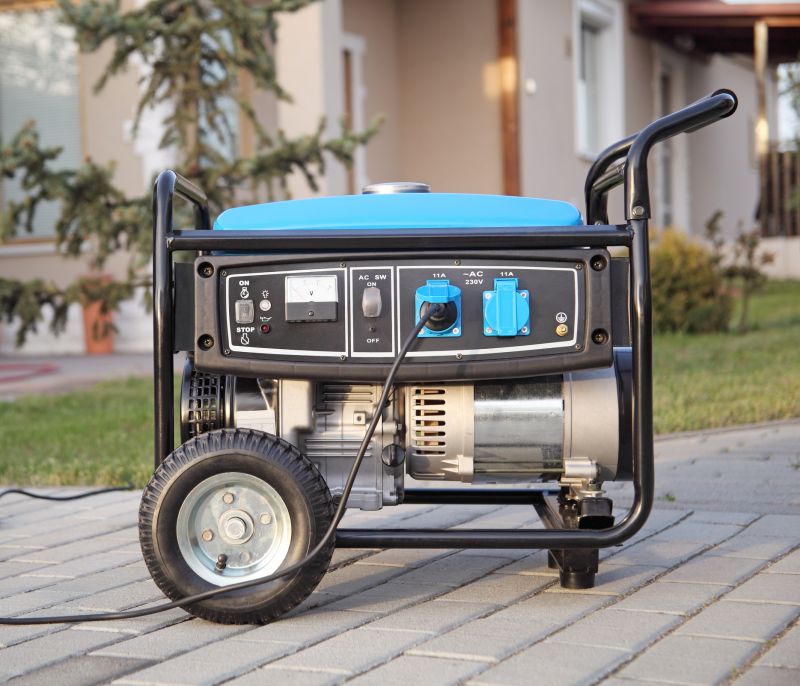
When comparing service providers for home generator installation, it’s important to consider their experience with similar projects. A contractor who has handled a variety of generator installations can be more familiar with the specific requirements and potential challenges involved. This familiarity often translates into a smoother process and a more reliable outcome. Homeowners should inquire about the types of systems the pros have worked on and whether they have experience with the size and complexity of the installation needed for their home.
Clear, written expectations are essential when evaluating local contractors. A reputable service provider should be able to provide detailed information about the scope of work, materials to be used, and the steps involved in the installation process. Having these details in writing helps prevent misunderstandings and ensures that both parties are aligned on what will be delivered. Homeowners are encouraged to ask for this information upfront and to review it carefully before making a decision.
Reliable references and good communication are key indicators of a trustworthy contractor. Reputable local pros should be able to provide references from previous clients who can speak to their professionalism and quality of work. Additionally, effective communication throughout the process-such as prompt responses to questions and clear explanations-can make the experience more transparent and less stressful. It’s worth taking the time to connect with past customers and to observe how well the contractor communicates during initial consultations, as these factors contribute to a successful project outcome.
Property owners use Home Generator Installation services for practical projects around their homes and businesses. This guide focuses on everyday jobs and straightforward project options.
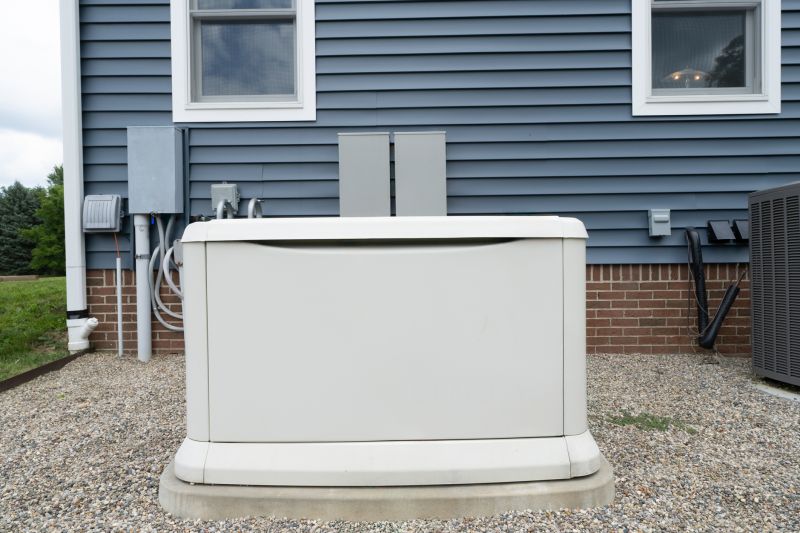
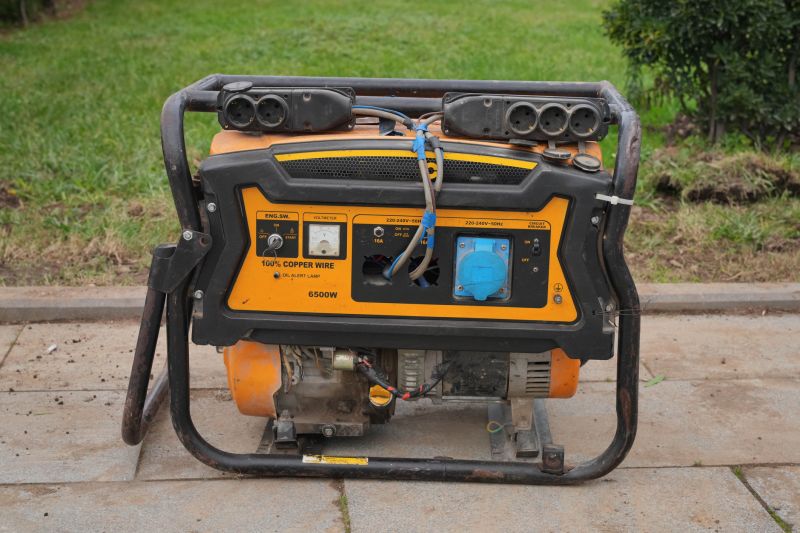
Homeowners in the area often consider installing a home generator to ensure continuous power during outages caused by storms, heavy winds, or other severe weather conditions. Whether it's to keep essential appliances running or to provide peace of mind during unexpected disruptions, many property owners seek out local contractors who specialize in generator installation to help them stay prepared.
Additionally, some property owners look into generator services when upgrading their existing systems or replacing outdated equipment. This can be a practical step for those wanting a reliable backup power source for their homes, especially in regions where power interruptions are common. Local service providers are available to assist with installations that meet individual needs and ensure the system functions properly when needed.
What types of home generators can local contractors install? Local contractors can install a variety of home generators, including portable, standby, and inverter models, to suit different power needs and home sizes.
How do I determine the right generator size for my home? Service providers can assess your home's electrical load and requirements to recommend a generator size that ensures reliable backup power during outages.
Are there different fuel options available for home generators? Yes, local pros can install generators powered by gasoline, propane, or natural gas, depending on your home's setup and preferences.
What are the benefits of installing a home generator? Installing a home generator can provide continuous power during outages, protect appliances, and enhance overall home resilience.
What should I consider when choosing a location for the generator? Local contractors can advise on optimal placement to ensure safety, proper ventilation, and easy access for maintenance.
Emergency Power Backup - Property owners can ensure essential appliances stay operational during power outages by installing a reliable home generator.
Whole-Home Power Supply - Homeowners looking to provide consistent electricity throughout their residence can work with local contractors to install a generator that covers all living spaces.
Outdoor Event Support - For hosting outdoor gatherings or parties, property owners can set up a generator to supply power for lighting, sound systems, and other equipment.
Remote or Off-Grid Living - Those living in rural areas or off-grid locations can utilize home generators to maintain power independence for daily activities.
If you are thinking about Home Generator Installation for a property, this guide is meant to help you understand the work, the typical project types, and how different options might fit your plans.
When you are ready, you can use the quote form on this page to share a few details about your project. From there, local pros can review the basics and respond with options that match what you have in mind.