
Favorite Equipment For Industrial Generator Installations To Ensure Safety
Identify top-rated products that promote safe installation and long-lasting performance of industrial generators.
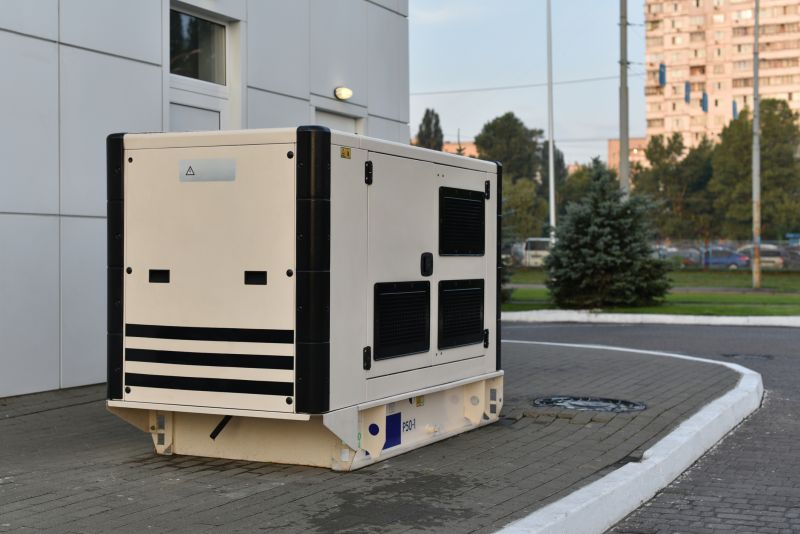 Industrial generator installations require a comprehensive selection of products to ensure reliable and efficient operation. These installations often involve complex systems that must be tailored to specific power demands and environmental conditions. From heavy-duty electrical components to durable enclosures, each product plays a vital role in maintaining continuous power supply for industrial applications. Proper planning and selection of compatible, high-quality components can significantly impact the longevity and performance of the generator system.
Top Overall Option
Heavy-Duty Electrical Distribution Panel
A high-quality electrical distribution panel designed for industrial generator installations offers a centralized solution for managing power distribution safely and efficiently. These panels typically feature multiple circuit breakers, transfer switch integration, and customizable configurations to suit various load requirements. They are built with durable materials to withstand harsh environments and include safety features to protect personnel and equipment. Properly selected and installed, they can serve as a reliable backbone for industrial power systems.
Types of Products For Industrial Generator Installations
Transfer Switches
Devices that automatically or manually switch power sources between the utility and generator, ensuring seamless power transfer.
Control Panels
Centralized units that monitor and control generator operations, alarms, and system status indicators.
Generator Enclosures
Protective housing units designed to shield generators from environmental elements and mechanical damage.
Circuit Breakers
Protective devices that prevent overloads and short circuits within the electrical system.
Vibration Isolators
Mounting accessories that reduce vibration transmission and operational noise.
Fuel Management Systems
Equipment that monitors and controls fuel supply to ensure continuous generator operation.
Remote Monitoring Devices
Systems that enable remote diagnostics and real-time system status updates.
Battery Chargers
Devices to maintain and charge batteries used for starting generators and backup power.
Cooling Systems
Components that regulate temperature and prevent overheating during operation.
Sound Attenuators
Accessories designed to reduce operational noise levels of generators.
Vibration Dampers
Products that absorb mechanical vibrations to protect sensitive components.
Electrical Connectors and Cables
High-capacity wiring solutions that ensure secure and reliable electrical connections.
Foundation Kits
Structural components for stable and secure mounting of generators.
Weatherproof Covers
Protective covers that safeguard electrical connections and components from weather exposure.
Automatic Transfer Switches
Devices that automatically switch power sources during outages for minimal disruption.
Synchronization Modules
Equipment that allows multiple generators to operate in parallel efficiently.
Load Management Systems
Solutions that distribute electrical loads evenly across generators and systems.
Emergency Stop Devices
Safety features that allow immediate shutdown of generator systems in emergencies.
Popular Choices
Widely used for automatic power source switching in industrial setups.
Commonly selected for centralized management of generator functions.
Popular for protecting equipment in outdoor or harsh environments.
Essential for safeguarding electrical systems against overloads.
Increasingly favored for real-time system oversight.
Valuable for maintaining continuous fuel supply and system readiness.
Commonly used for ensuring reliable starting power.
Popular for reducing noise and mechanical stress.
Frequently selected to prevent overheating during extended operation.
Chosen for noise reduction in sensitive environments.
Commonly used to protect electrical connections outdoors.
Increasingly in demand for parallel generator operation.
Popular for efficient distribution of electrical loads.
Frequently installed for seamless power transition.
Often selected for stable generator installation.
Essential for secure electrical connections in industrial setups.
Standard safety feature in many installations.
A crucial aspect of industrial generator setups is the integration of robust electrical distribution equipment. This includes switchgear, transfer switches, and control panels designed to handle high loads safely and effectively. Additionally, protective devices such as circuit breakers and fuses are essential to prevent damage from overloads or faults. Ensuring that these components are rated correctly and installed properly can help mitigate risks associated with power disruptions.
Another important consideration is the physical infrastructure supporting the generator. This involves durable enclosures that shield the equipment from environmental elements, as well as vibration isolators and mounting systems that reduce operational noise and mechanical stress. Adequate ventilation and cooling systems are also necessary to prevent overheating during prolonged operation. When selecting these infrastructure products, factors like material durability, ease of maintenance, and compatibility with existing facilities should be carefully evaluated.
Finally, accessories such as fuel management systems, remote monitoring devices, and battery chargers contribute to the overall efficiency and reliability of industrial generator systems. These auxiliary products facilitate maintenance, enable remote diagnostics, and help optimize fuel consumption. A well-rounded approach to selecting these components can support seamless operation, minimal downtime, and efficient power management in demanding industrial environments.
Key Buying Considerations
- Compatibility with existing generator systems and infrastructure
- Electrical load capacity and scalability for future expansion
- Durability and material quality suited for industrial environments
- Ease of installation and maintenance requirements
- Safety features and compliance with industry standards
- Environmental protection such as weatherproofing and corrosion resistance
- Availability of remote monitoring and automation options
- Compatibility with fuel types and fuel management systems
- Noise levels and sound attenuation features
- Vibration reduction capabilities to prolong equipment lifespan
- Cost-effectiveness and long-term operational savings
- Availability of technical support and warranty services
- Size and footprint for space-constrained installations
- Integration with control and automation systems
- Regulatory compliance and safety certifications